A story shared by several cultures
Sources associated with ancient China, India, Greece and Rome describe massage and similar hands-on practices. In each society, care of the body developed alongside everyday life and ideas about health.
It is difficult to trace the beginnings of massage to one person or a precise date. The texts that survive show how it was practised in different places. Read together, they reveal how many names and meanings touch has acquired over the centuries.
A small detail in a Hippocratic text
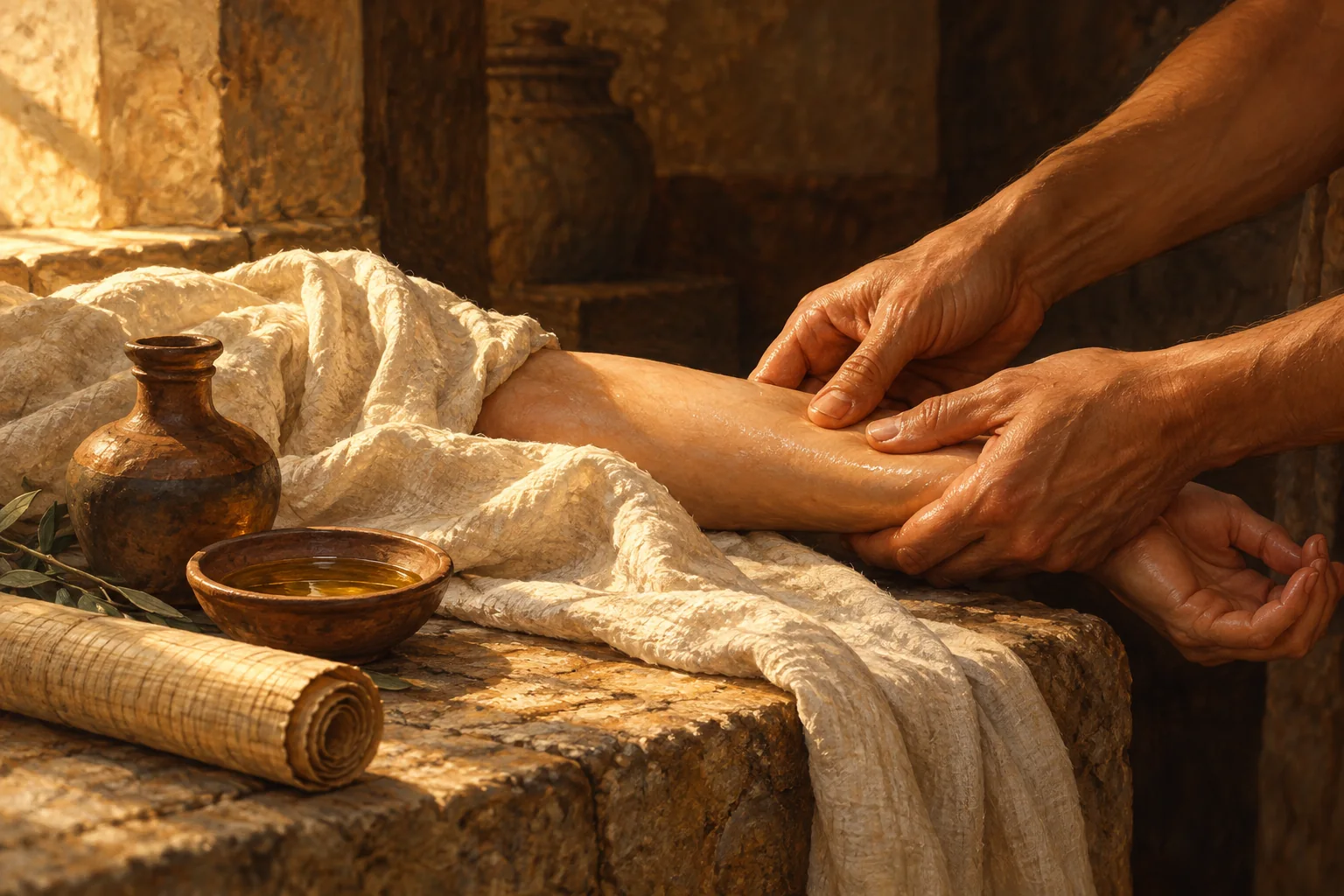
On Joints, a text associated with the name of Hippocrates and dated to around 400 BCE, discusses rubbing. The author includes it among the skills a physician should know.
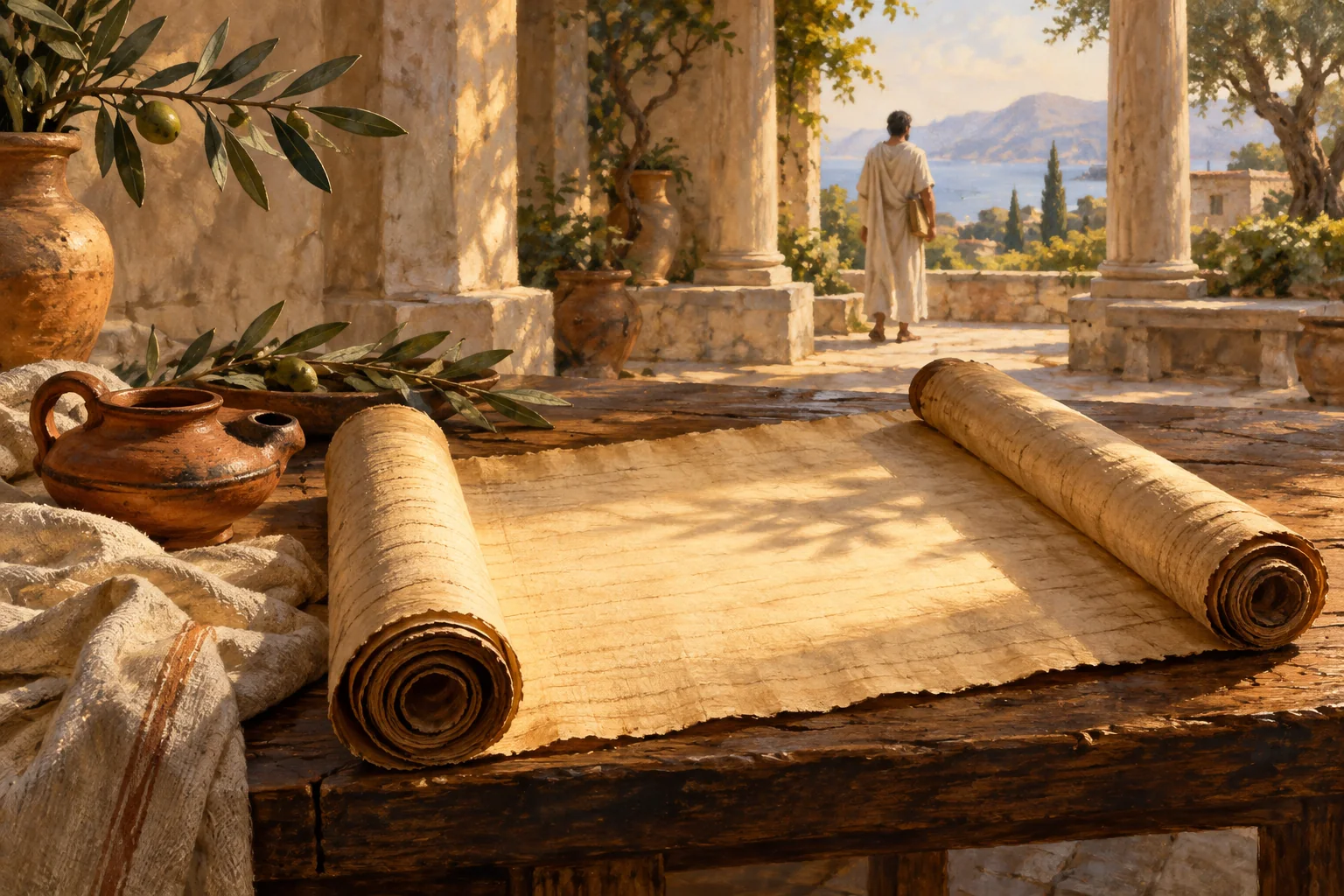
What stands out is the attention paid to how the movement is performed. The text makes room for a gentle hand and delicate movements. The strength of touch and the way it was applied mattered to the author.
That small detail brings an ancient text to life: someone writing more than two thousand years ago was also observing differences in hand movements and trying to describe them in words.
In Rome, the question of who thought of it first
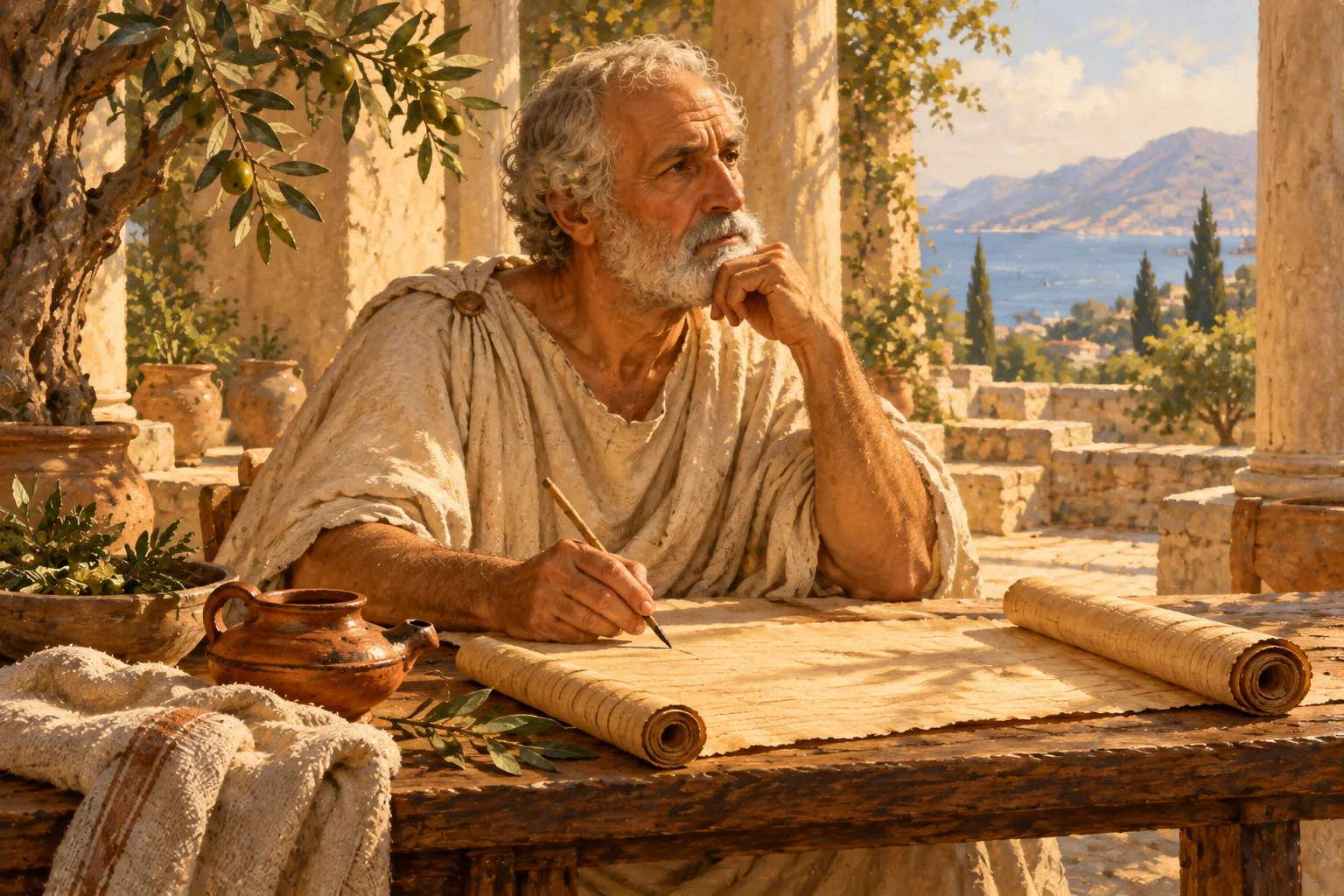
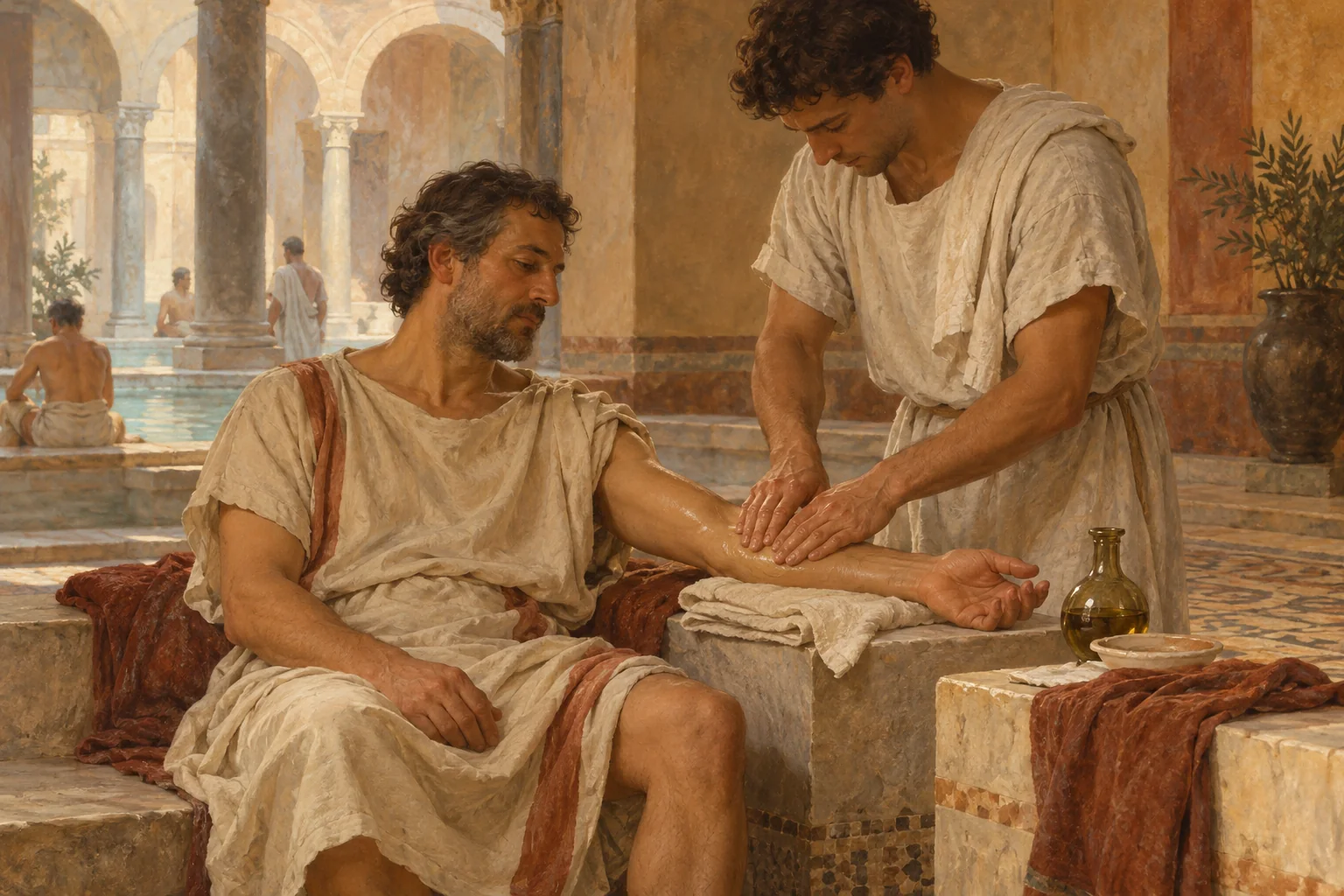
The Roman author Aulus Cornelius Celsus devotes a separate section of On Medicine to rubbing. He distinguishes it from applying oil to the body and discusses the strength and duration of the movement.
His account also contains an interesting discussion of authorship. He notes that Asclepiades explained the subject at length, then reminds the reader of earlier Hippocratic texts. In these pages, we can follow knowledge passing from one writer to another and being explained afresh.
The nineteenth century: from practice to professional training
Towards the end of the nineteenth century, a new question came to the fore: how should someone who does this work be trained?
In 1894, four nurses in Britain founded the Society of Trained Masseuses. Training, examinations, certification and professional standards were central to its work. The teaching of knowledge and skills became more systematic.
The organisation continued to develop and adopted the name Chartered Society of Physiotherapy in 1944. Its story shows how the professionalisation of massage and the development of physiotherapy intersected in history.
Thai massage: from village life to world heritage
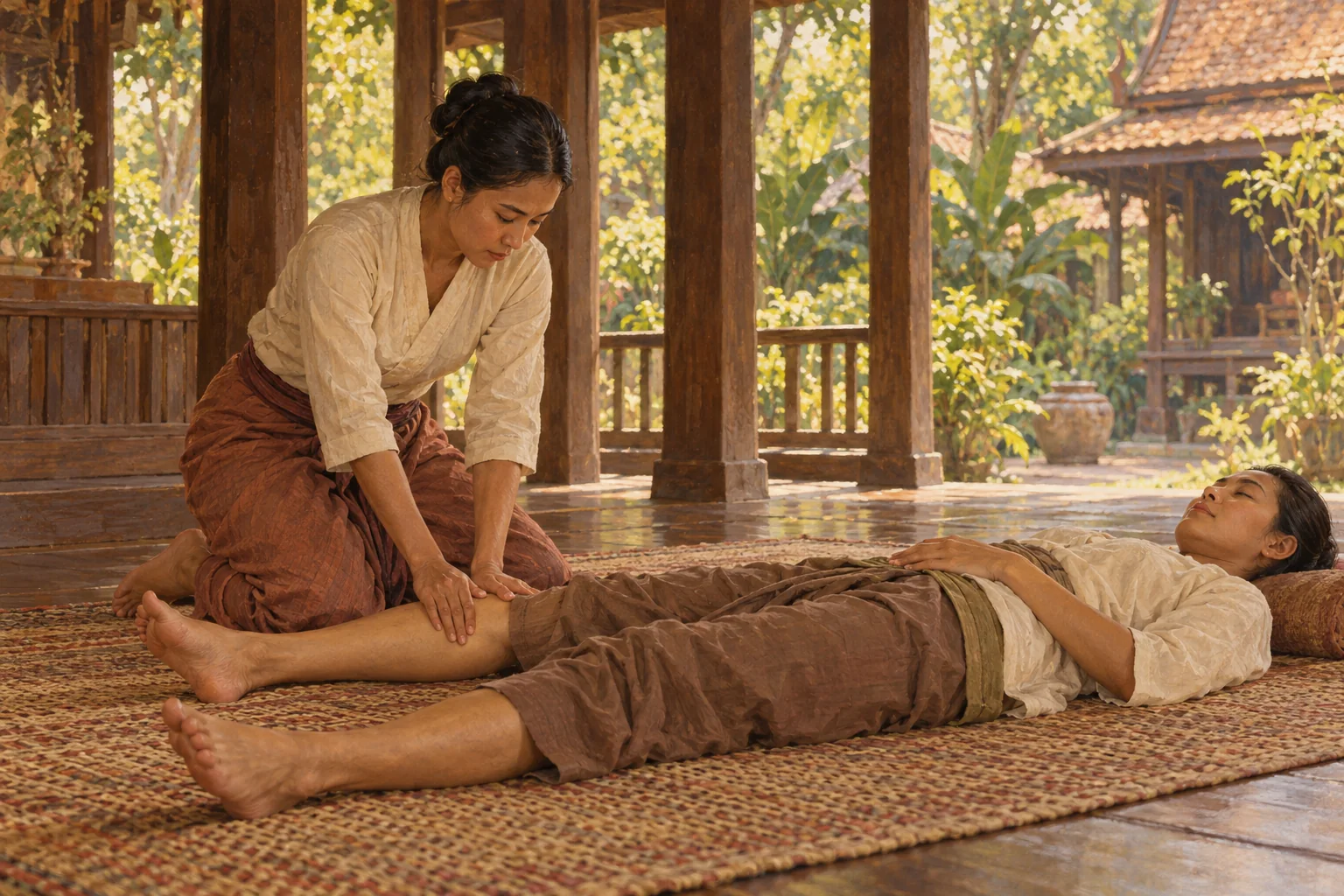
Another branch of massage history is Thailand’s Nuad Thai tradition. Its roots are associated with self-care practices in rural communities of the past. People working in the fields turned to local massage practitioners when their muscles ached.
Practices shaped by everyday life gradually developed into a body of knowledge and a profession. Learners gained experience alongside masters, and skills passed to new generations.
In 2019, Nuad Thai was inscribed on UNESCO’s Representative List of the Intangible Cultural Heritage of Humanity. Alongside the hand movements themselves, teaching and keeping the practice alive are part of this cultural memory.
The long journey behind massage today
The different names we see on a massage menu today have different traditions and paths of development behind them. Over the centuries, methods have been reworked, forms of training have emerged, and people’s expectations of massage have changed.
A page of an ancient text, a movement learned from a village practitioner, and a skill acquired through professional training are separate pieces of this history. What connects them is the wish to pay attention to the human body and share that experience with someone else.