Broad movements across the back
Back massage may use gliding movements with the broad surface of the palm. These strokes connect a larger area and establish the session's overall rhythm. Oil or cream allows the hand to move more smoothly over the skin. Speed, contact area and pressure together shape the sensation.
Gentle kneading and slower work on selected muscle areas may sit between the broader movements. Spending a little longer in one area before moving on gives the massage variety. Some people enjoy a continuous, quiet flow; others prefer more attention to a particular spot.
Time for the shoulders
The tops of the shoulders and the areas around the shoulder blades may receive dedicated attention. Palm and finger contact here can focus on smaller areas. Moving from broad back strokes to local work around the shoulders also changes the pace of the massage.
Arm position affects shoulder comfort. Finding a position in which you can let your hand and shoulder relax makes the session more comfortable. If one side is more sensitive, pressure and time can be adjusted separately on that side. Brief feedback during the session helps account for these differences.
Finer work around the neck
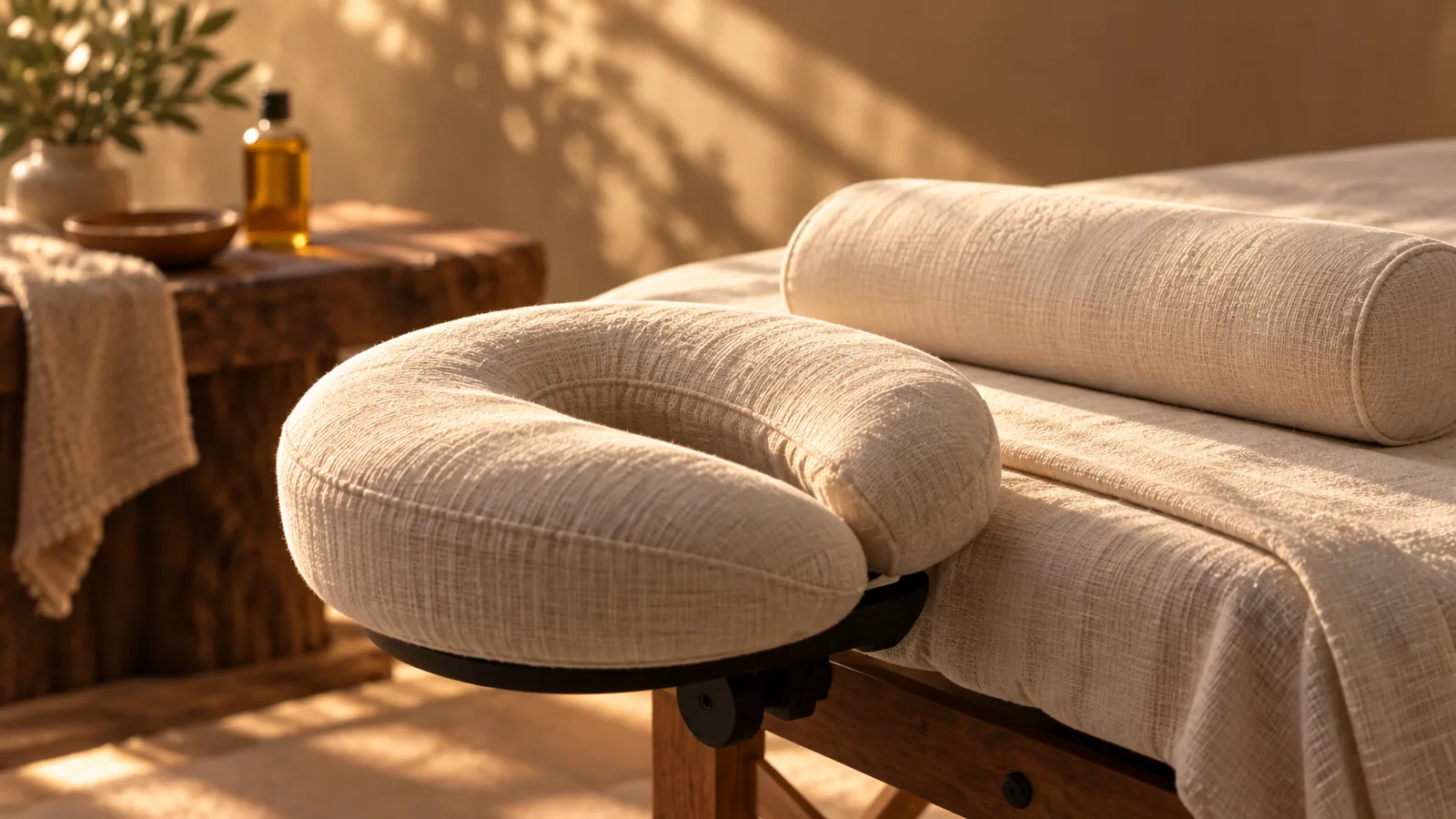
Comfortable head support is especially important when working around the neck. Smaller, controlled movements may be used along the back of the neck and where it meets the shoulders. The rhythm often becomes quieter here, with contact directed at a more specific area.
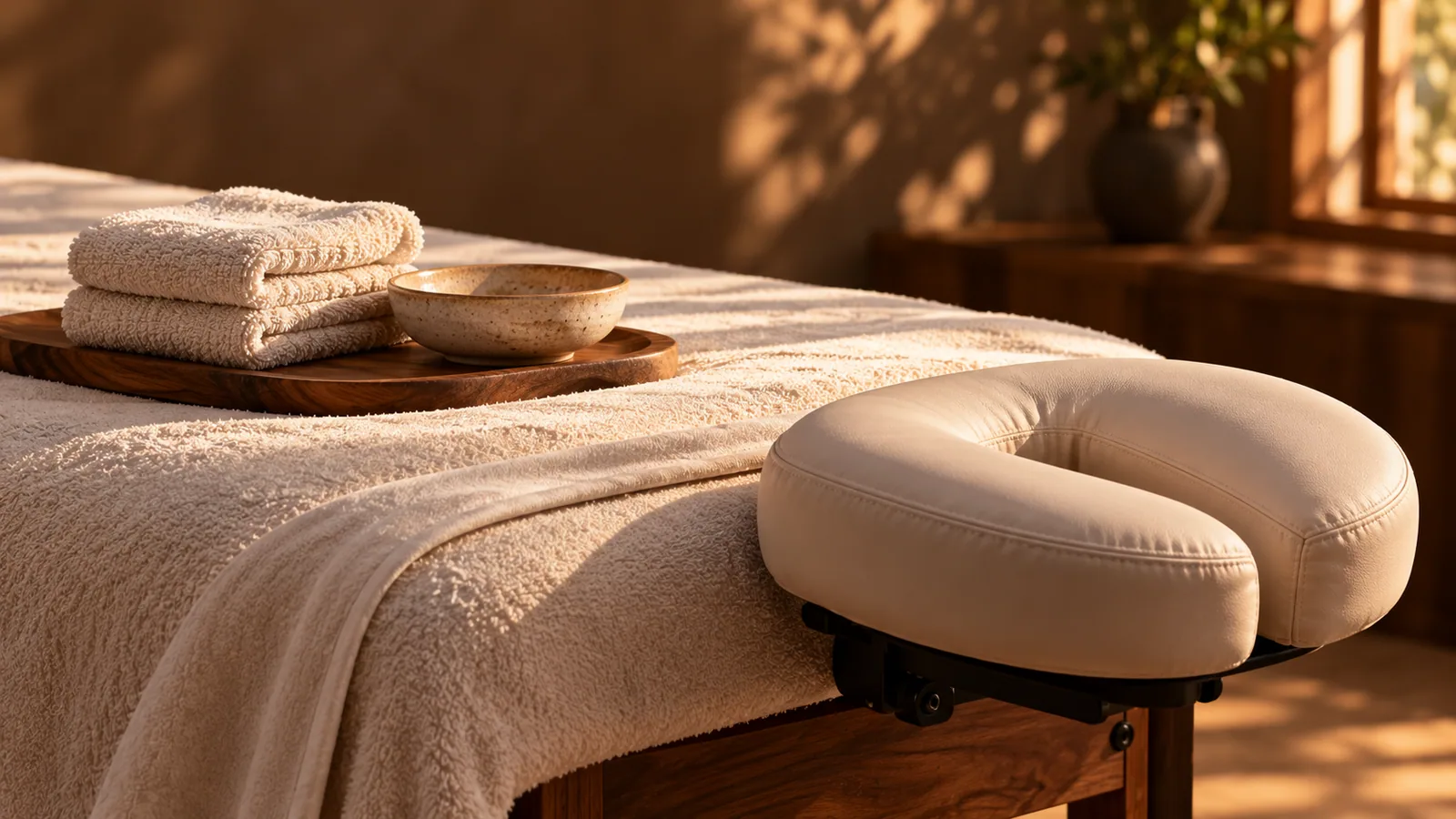
If you have trouble positioning your neck, discomfort in the face support or a pulling sensation in a particular position, mention it early. Adjusting the support and body position helps you lie comfortably. The same principle applies to the lower back: finding comfortable support is preferable to tensing your body to hold a position throughout the session.
Rhythm and changes you may notice
The balance between broad movements and local work can vary with personal preference. The flow may include surrounding areas rather than spending all the time on a single sensitive spot. The methods to be used in your session are discussed with the therapist beforehand.
Some people report that their shoulders feel easier to move afterwards; others mainly notice a general sense of rest. Some clinical massage programmes for neck pain have shown short-term improvement, while longer-term results are less certain. It is sensible to approach a spa session in terms of comfort and your individual experience.
At the end, take your time getting up and allow a moment to notice how your body feels. Everyday movement, changes of position at work and appropriate breaks support back and neck comfort between sessions. Persistent pain may benefit from an individual assessment and movement plan.
A brief safety note
Seek medical assessment first if you have a recent injury, fever, rapidly worsening pain, or numbness and weakness extending into an arm or leg. Back pain accompanied by changes in bladder or bowel control, or loss of sensation around the genitals, requires emergency care. Mention fragile bones, blood-thinning medication and recent surgery beforehand. Any movement causing sharp pain during massage should stop.