A spa tradition from Bali
Bali is one of the places where Indonesia's massage and body-care traditions are practised. The island's spa culture brings together hands-on massage, aromatic oils and a range of body treatments. Balinese massage is part of this broader culture.
Spa menus may also feature scrubs, herbal body treatments and foot-washing rituals alongside massage. These may be offered separately or as part of a spa package.
Today, different centres practise the style in different ways. Some give more time to flowing strokes, while others place greater emphasis on kneading and localised pressure. The balance and pace of these movements shape the character of the session.
Flowing strokes: continuous touch
During long, gliding strokes, the hand travels along an area of the body. Oil helps it slide over the skin, allowing the touch to continue without repeatedly breaking contact.
The length and pace of a stroke influence how it feels. A slow movement makes it easier to follow the sensation and notice the transition from one area to another. Work across a broader area alternates with time spent on smaller areas.
Kneading and localised pressure
Unlike gliding strokes, kneading involves taking hold of soft tissue, compressing it and releasing it by hand. The hands work within a smaller area rather than travelling along a long line. This makes the touch feel more concentrated and noticeable.
Localised pressure focuses on a selected small area. Whereas the hand travels during a long stroke, here the pressure is concentrated on a point or narrow area. Alternating these methods gives a Balinese session its changing rhythm.
The role of oil
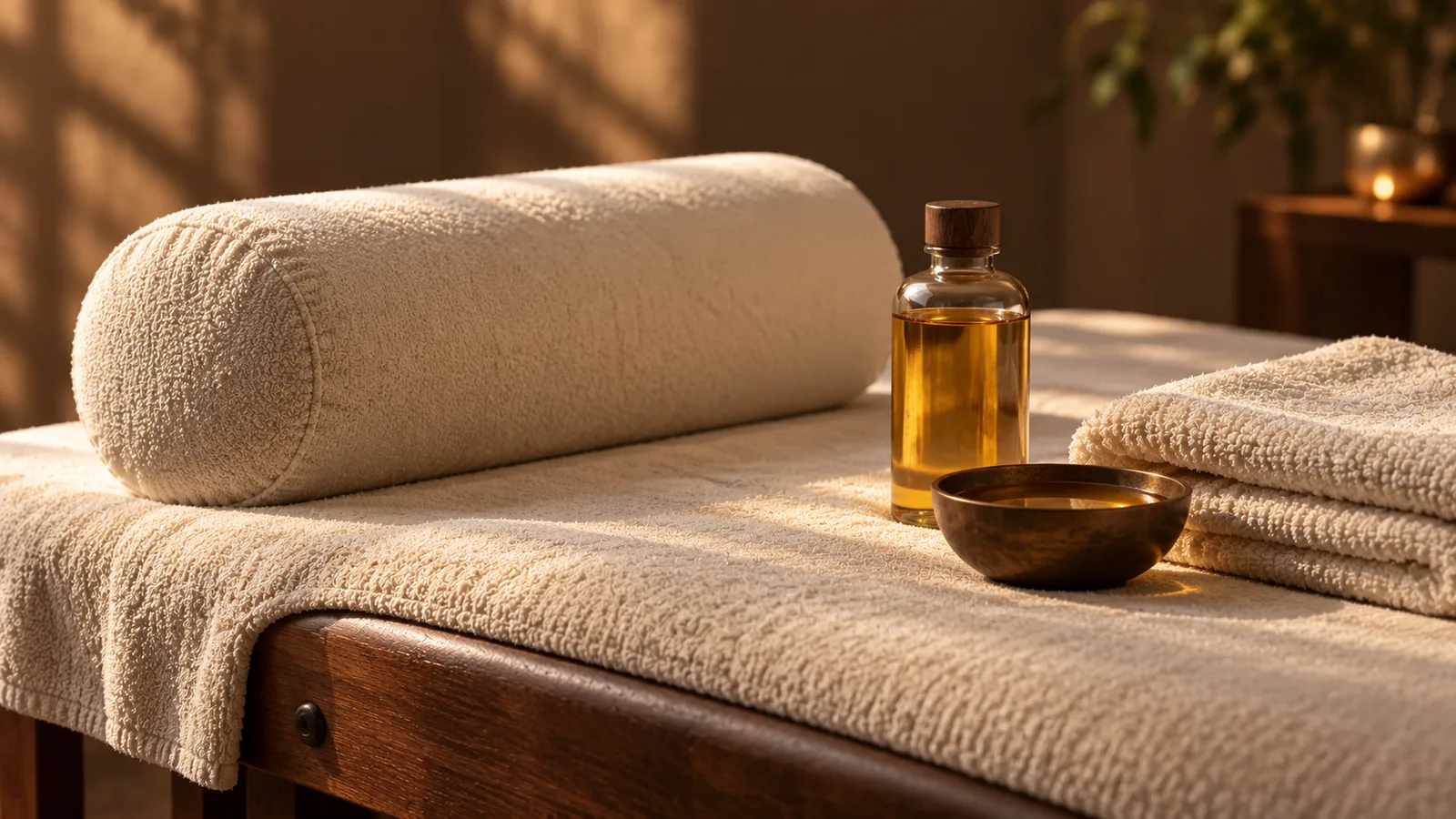
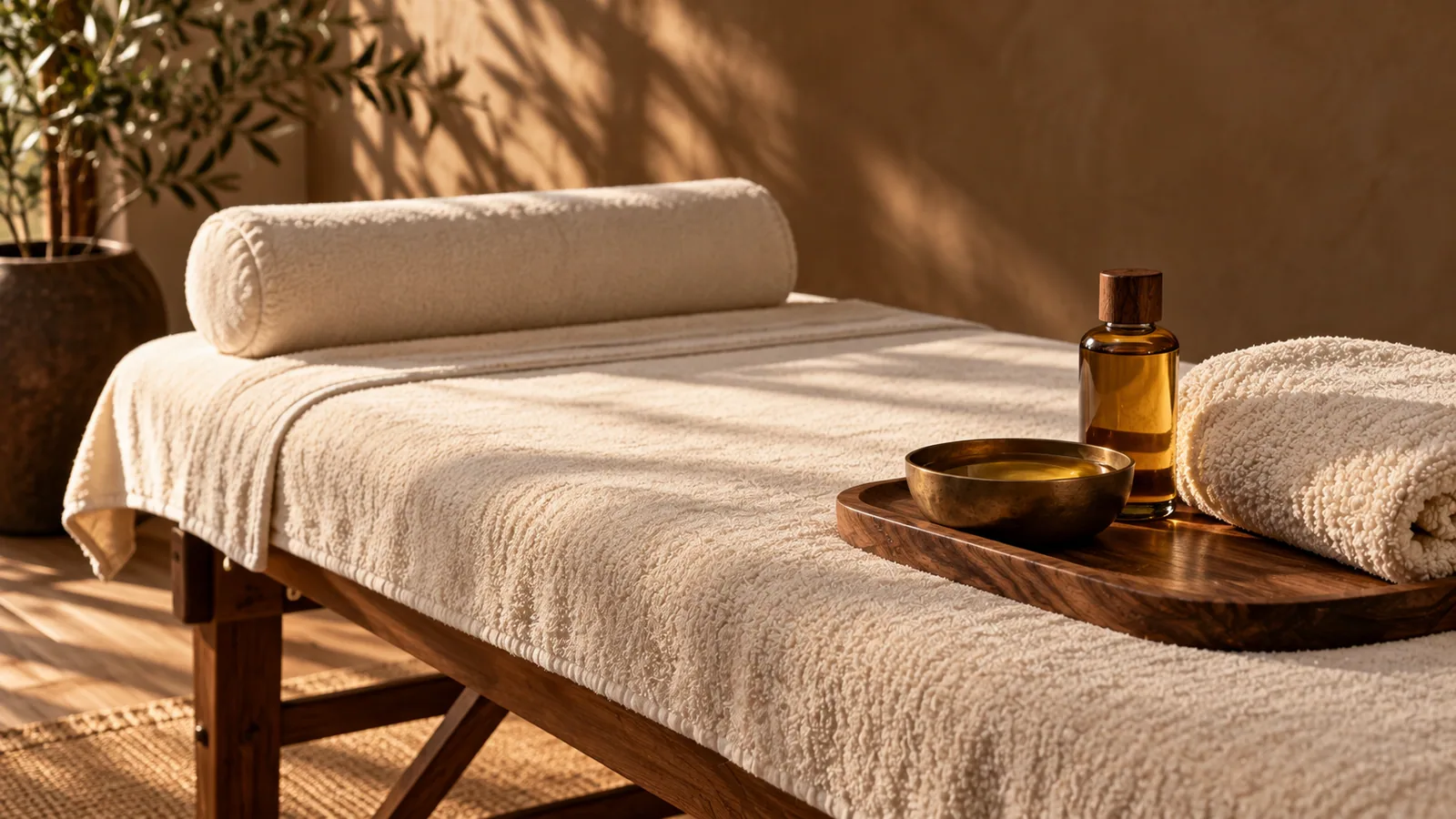
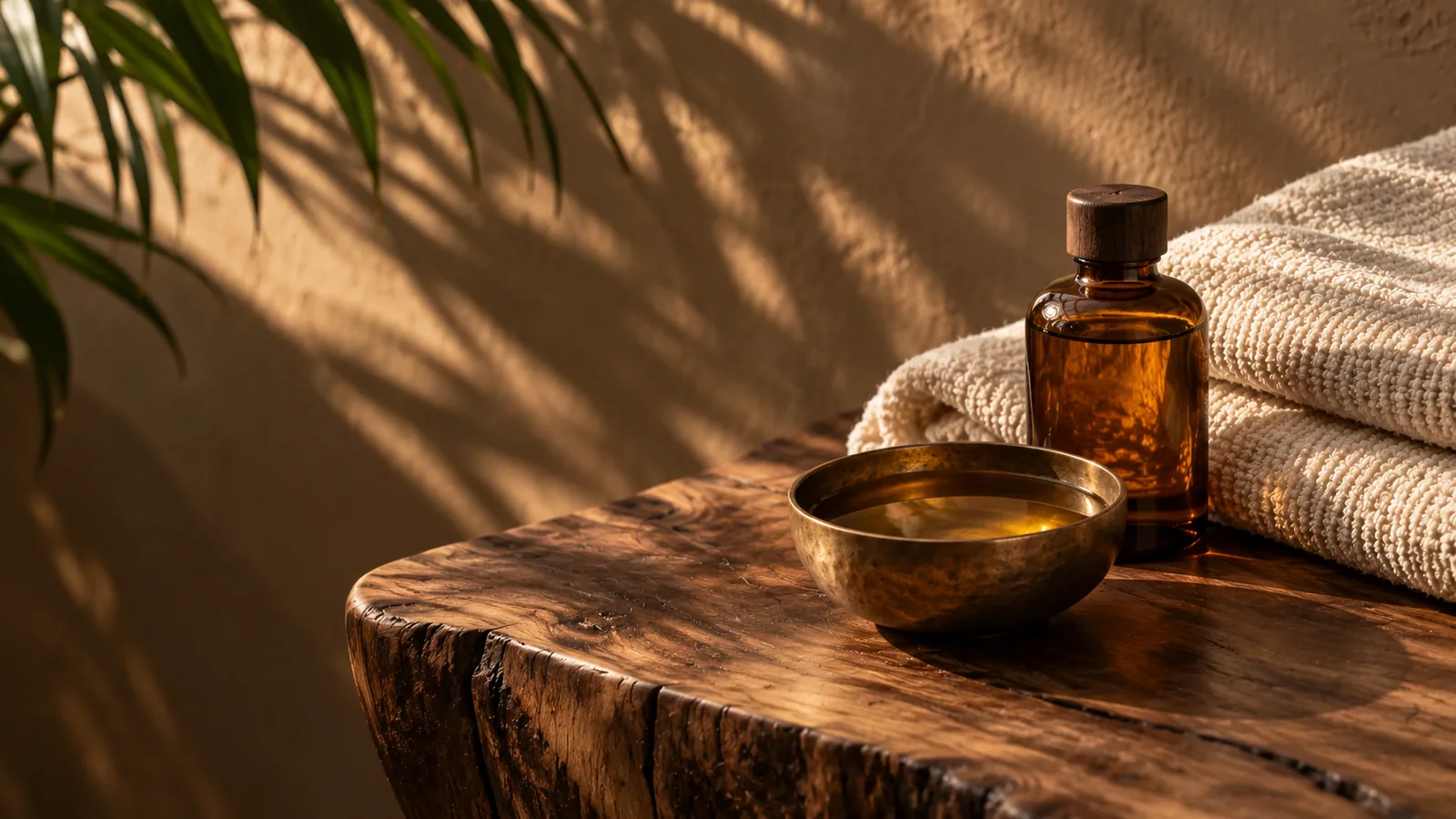
Oil primarily helps the hand move comfortably over the skin. Aromatic oils are also common in Bali's spa traditions. Scent then becomes part of the experience alongside touch.
People respond differently to an oil's fragrance, texture and feel on the skin. One person may enjoy a light scent, while another feels more comfortable with an unscented product. Any previous sensitivity or allergy to a product should be disclosed before the session.
Realistic expectations
Balinese massage can be chosen as time to rest, enjoy touch and feel more relaxed afterwards. The pace of the touch and the time set aside shape that experience of rest.
Massage has been studied for short-term relief of some types of pain, but research on massage in general does not establish a particular treatment advantage for Balinese massage. Persistent pain needs a separate assessment of its cause. A spa visit does not replace a medical examination or prescribed treatment.
A brief health note
If a movement causes uncomfortable pain, it should be stopped or the pressure reduced.
Check suitability with a healthcare professional first if you have a blood clot, a bleeding disorder, take blood-thinning medication, have had recent surgery or have a new injury. Fever, infectious illness and broken skin also need to be considered. Individual medical advice is important in situations such as pregnancy and osteoporosis.